Sunday, February 7, 2016

DNA

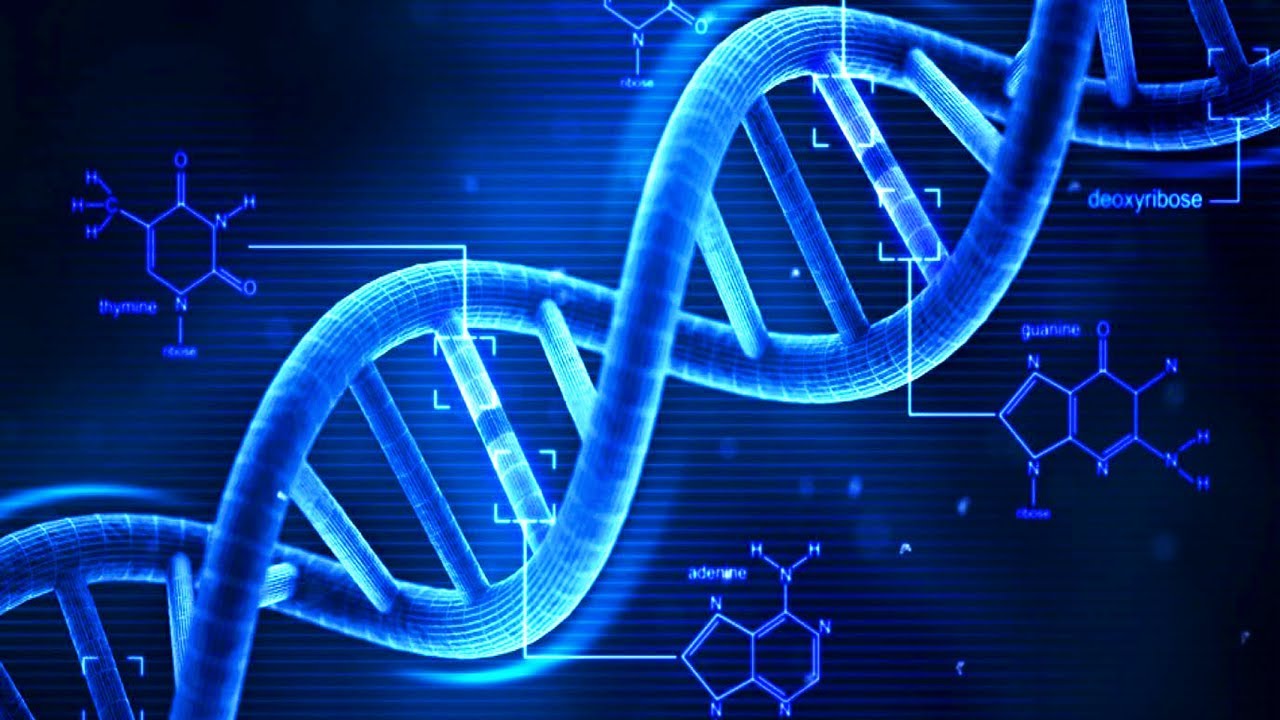
DNA stands for the chemical compound Deoxyribo nucleic acid. This is inside all cells. DNA is the blueprint for how each different a living thing works. DNA is like a code made up of these 4 chemicals: 
the structure of DNA
  guanine, cytosine, adenine, and cytosine. DNA tells cell  how to reproduce. 

Tuesday, January 27, 2015

Saving Otters

Otters are some of the most amazing creatures, from sea otters in the ocean to river otters in the rivers.  But these amazing creatures need our help.

Hello otter family!

Because of water pollution, and hunting in earlier times, otters are in need of protection--and you can help them!  Don't throw garbage in the streets because when it rains it washes in to rivers and oceans.  Also, give money to organizations that help rescue and rehabilitate injured otters. 

One of the places that helps save injured otters is Monterey Bay Aquarium.  One amazing otter success story is when Otter 501 was successfully rescued and released.It all started when the Monterey Bay Aquarium otter rescue team got a distress call that a otter pup had been found on the beach. They rushed over to help. They caught the baby otter in a net and brought it back to their medical clinic in the aquarium for a checkup.  They found the pup was hunger, but was too young to eat solid food.  They had devised an otter milk formula to give to the baby otters before, so they used that to give to the baby otter. Then he was nursed back to health and set free into the ocean. Yay!

Here's another otter they saved named Abby.

Did you know why otters need to groom? I will tell you. If the cold water gets into the otters skin it can freeze to death. Grooming pushes out water and air bubbles into their fur, so that the cold water does not come in.

Oil spills are also a big problem for otters.  They swallow the oil and breathe the fumes and it kills them, and many other marine animals.  The government should do more to protect animals from oil spills.

Let's save the otters!

Sunday, February 9, 2014

Dolphins

Did you know dolphins use signs and sounds to communicate? Baby dolphin emit different sounds than the adults. They use squeals when they are babies before they learn how to click or whistle. Did you know how dolphins navigate in murky waters? Well I'll tell you how. They send out a high pitched pulse from an organ in their head called the melon. When the pulse bounces off of an object the dolphin receives it through its lower jaw and in to its ear. This process is called echolocation.  Their echolocation is so sensitive that they can tell the difference between tin cans and aluminum cans.  They can also sense fish hiding in sand.

When dolphins dive very deep they shut down their heard and lungs and stop pumping blood so they become less buoyant and sink to the bottom of the ocean. When they want to get up, they do a few quick tail strokes: when they get almost to the surface they open their lungs back up and swim the rest of the way.

Friday, October 25, 2013

Awesome Amphibians

"Amphibians are animals that lead a strange double-life," writes Steve Parker in the book Awesome Amphibians. They can breathe in the water or on land. In school I learned that amphibians can't live in saltwater or in Antarctica. Some amphibians like the poison dart frog are venomous to eat or even to touch because they have venom glands on their skin.

I'm warning you! I've got venom on my skin!
Poison dart frogs live in Central and South America, but I have seen amphibians closer to home.  I spotted this frog in the Montezuma National Wildlife Refuge in Central New York. Can you see him?

Ribbit!
I also saw an Eastern red spotted newt in Taconic State Park.  Isn't he cute?


Tuesday, October 15, 2013

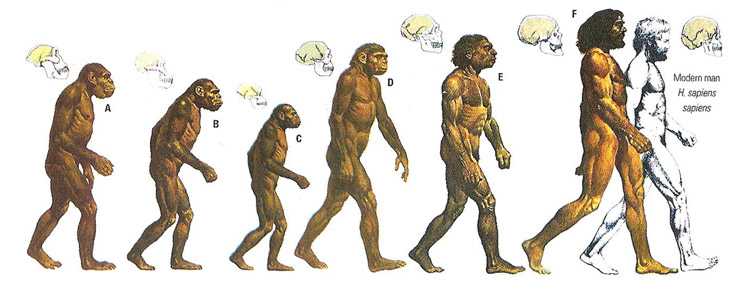
From chimp to man

Chimps are like us in many ways. Like us, chimps form cultures within their groups. A chimp culture is formed when a mommy chimp passes on the skills she has learned from her mother to the next generation of chimps in her group.

For example, this mommy chimp is showing her baby chimp how to fish for termites in a termite mound.

Knowing these similarities between humans and chimps, it's not surprising that we had a common ancestor. Unlike apes who took to the trees, the fossils of early human ancestors were buried in limestone that formed from shells and mud. I think that shows that there must have been a marshy terrain, and they would have had to walk on two legs to keep their heads above water.


Monday, October 14, 2013

Tiger Footprints

To track a tiger you need to think like a tiger and if there are no footprints just guess. The best places to put video cameras is where there are lots of deer.


Mmmm! Deer!


Deer-filled areas attract tigers. Infrared cameras are good for seeing tigers at night.


Saturday, April 13, 2013

Raptors!!!!

Raptors are predatory birds.  They hunt using surprise and swoop down on their prey.  They grasp it with their sharp talons.  Then they soar back up into the sky and land on their nest.  Most raptors hunt by day, but others like owls hunt at night.  Some owls have completely silent wings, while other raptors can glide for miles over the seas. 

I'm gonna get you!
Woohoooo!
Shhhhh....

Book Review: 101 Freaky Animals

Bush Babies have a call like a human baby.  It would be freaky at night if you were in your house and you heard a crying sound coming from outside.  You opened the door and looked up and a bush baby was calling to it's mother.  That is just one of the 101 freakiest animals in the book 101 Freaky Animals.

Whaaaaaa!!!!
Okapi's tongues are wacky when it comes to length.  They reach up to a foot long!  Their tongues can even lick their eyeballs.

Sluuuurp!
Pangolins are the only mammals with scales.  The can roll in to a ball when threatened.

I'm thirsty.
Uh-oh!  Trouble!

Shoebills have ginormous beaks for grabbing slippery prey.  Their beak is so big they seem like a video game monster.

Please do not wear my beak on your foot!


Tuesday, January 1, 2013

Red Rock's Environment

I went to Red Rock National Conservation Area in November. It is in Nevada. Its desert terrain holds many interesting secrets. I did not get to see all of it, but I loved what I saw. We saw interesting shaped rocks and cliffs. There are so many red rocks and a little red dust. It is red because of iron in the dust and rocks. Some of it gets into the soil too.

Wow!


There are lots of spiny-branched plants and not much water. Deserts have lots of sun and not much rain or snow, that's why they don't appear to have clouds very often.

Spectacular!

Monday, November 12, 2012

Estuary life

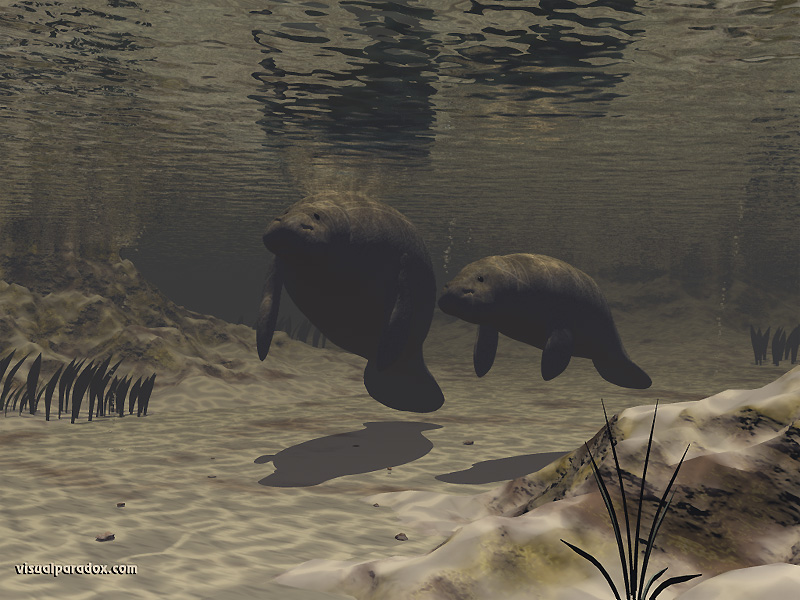
An estuary is a body of water where a river meets the ocean.  Most animals cannot cross the boundary between salt water and fresh water, but some animals can.  Swamps and estuaries provide food for many kinds of birds, fish and lizards. They also provide shelter for them. Other animals live there like manatees, anacondas, caimans, silver hatchet fish, banded knife fish, and red bellied piranhas. Skimmer birds catch fish by flying over the water with half of their beak under the water and half of their beak above the water. Hatchet fish camouflage because their scales reflect their surroundings.  They can also jump out of the water and glide through the air to escape predators.

We are manatees!

Skimming for fish.

Sunday, September 23, 2012

Life Under Ground


There are many animals under ground, like prairie dogs, black-footed ferrets, salamanders, rabbits, rattlesnakes, and moles.

Hi little mole!
They all have different kinds of burrows and different ways of digging. All of them also have different ways to survive underground. They have to cope with little air and little light. I would like to see the animals from underground by going on some sort of vehicle underground in the Sahara desert to see meerkats and rattlesnakes. It would really be a fun experience!

My Nature Birthday Party

I am going to have a nature birthday party in the park. I would like to play squirrel tag. To play squirrel tag, there is one squirrel who wears a tail and then everyone else is a fox. The squirrel has to run away from all of the foxes. If they get tagged, the person who tags them is the new squirrel.

Isn't the park beautiful?

I will have a scavenger hunt, looking for things in nature like the first red leaves, acorns, burrs, and pine cones. We will also make a mural of our favorite habitats and animals.

I think we should eat fruit to go with the theme of nature because fruit is part of nature. I also want to have chocolate fudge brownie cake with M&Ms and sprinkles on top and a candle.

At the end I think we should have a nature play.

Tuesday, September 4, 2012

My Visit to Niagara Falls

I went to Niagara Falls in Canada. The minute I saw the falls I marveled at their beauty and was stunned by their strength. I had a great chance to see the rapids. I loved to watch the white water rush towards its big drop off. It was so amazing!

Woooosh!

There was so much mist when I went on the boat called the Maid of the Mist that goes close to Niagara Falls. It went really close and I got super soaked. I saw some seagulls. That was one of my favorite trips so far in my life. I totally loved it. I was on the trip with Mommy, Daddy, Nana and Grandpa.

Woooshshshshsh!

Tuesday, August 7, 2012

Frog Drought

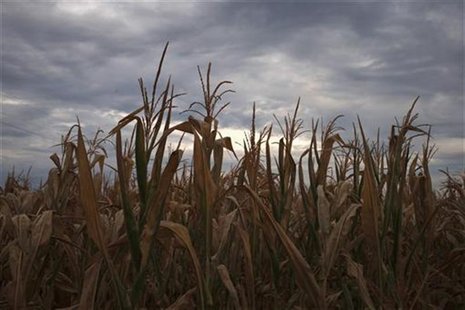
All across the country, frogs are affected by a very, very big drought. It is affecting other animals and plants, too. The drought was caused by there not being very much rain for many weeks. In New York City there is not a drought now, but there is in other parts of America like Ohio.
This corn dried up from the drought.

Sunday, August 5, 2012

Ready or Not, Here I Come!

Animals do not say "ready or not, here I come!" I just wanted to make a funny title. It does seem like animals are playing hide-and-seek but it is much more serious than that: they are trying to avoid being eaten by predators. For example, a deer camouflages with  the background of its forest and field habitat to try to avoid being eaten by wolves, coyotes, or bears.

Shhh! This deer is camouflaged.


Shhh! The lion is stalking!
Animals camouflage their babies because they are vulnerable to predators and animals hide from humans because they think we are predators to their young or to them. Predators camouflage too. They hide to try to ambush their prey, like a lion blends in with the grass of the savanna. We shouldn't disrupt their camouflage: then we would be letting the predators know that their prey is there and letting the prey know the predators are there, that would be disrupting nature.

Sunday, July 29, 2012

Ways to the Protect Nature

You should protect nature because nature has stuff that we need like water and food. We should protect animals because, what if there weren't any animals? That would be very sad, don't you think? Here are some ways to protect nature.

You should not throw litter into the rivers and lakes or onto the ground because it when it rains they will be washed into the storm drains that eventually go into the rivers or lakes or oceans.

You can help out in your local park planting trees or other plants.

That boy is not me. But I would like to plant a tree!

You can not chop down trees because that destroys animals' habitats.

And it is good not to eat meat because that kills animals. And also do not hunt animals when you do not need to, just for fun or for the sake of killing animals.


You should stop poaching in national forests and nature reserves.

It is good to recycle things that can be recycled, even if it is not by the city. Whole Foods recycles number 5 plastics.

You should use less fossil fuels, instead you can use fuels such as wind, water, and solar power even if it does a little bit of damage like hurting birds.

You should not waste energy: turn off the lights when you leave the room or your apartment or your house.

You should ride bikes, walk, take the train, or carpool to not use so many fossil fuels.

We can all help nature!
Saturday, July 28, 2012

Life on the Ice

Animals in the arctic need to have a way to keep themselves warm because it is very cold.  Most animals have blubber like walruses, seals, whales, and polar bears. 


Some have thick fur like polar bears, fur seals, arctic foxes, arctic wolfs and elk. 


In the winter it is always dark.  The aurora borealis shines bright over the animals' heads.  


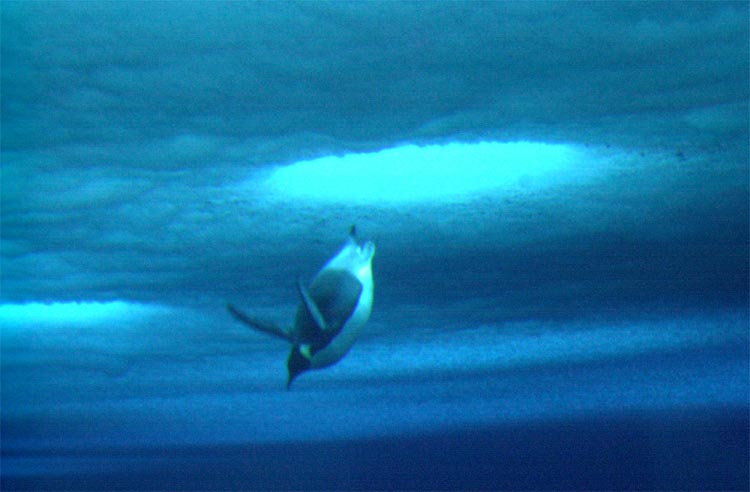
There are no trees in the arctic but there are smaller plants and bushes.  Many animals catch fish like penguins, seals, walruses, and various flying birds.


Thursday, July 26, 2012

What Was Around Before Humans?

In the Jurassic age, Stegosaurus grazed in the fields and Allosaurus prowled the forest.

Stegosaurus grazing
Allosaurus prowling, looking for food.


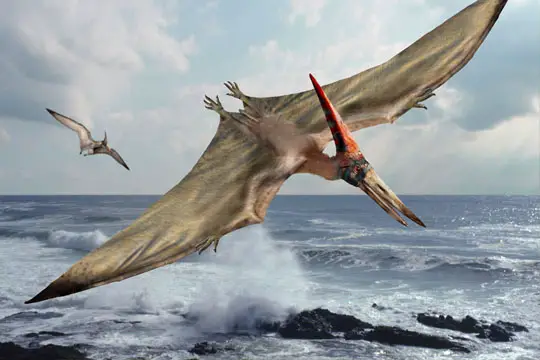
Then a mass extinction happened. Lots of plants and animals died out. This marks the end of the Jurassic and the start of the Cretaceous when new plants and animals evolved. Tyrannosaurus Rex stalked Triceratops while the Triceratops were grazing in the fields. The Velociraptor packs attacked Maiasaura in the rain forest, while Pteranodons dominated the skies. I did a little research for this post.

Whoosh! Pteranodon swoops low over the water.

Sunday, July 22, 2012

Animal Transportation

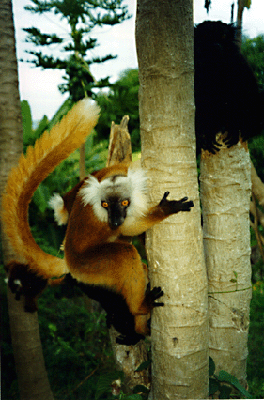
Many animals walk or run on land. Some swim or fly. Others climb in trees, such as monkeys or lemurs. Some hop on the ground such as kangaroos and wallabies. Some animals slither such as snakes. There are some animals that do not come up above ground, they crawl, dig, or slide underground. Some animals barely move at all, such as three-toed sloths, barnacles and sea anemones.

This is a lemur. He says, "Woo-hoo!" because he is so high up and he is having so much fun.

Woosh!

Nature's Responses to the Seasons

Lots of birds migrate south.

 
Bears hibernate in winter. In the rainforest it is always hot. The arctic winters are dark all the time. The animals don't mind. Predators such as wolves and other carnivores follow the herds of herbivores.